A few weeks ago, my daily Wellness Walk took an unexpected turn. I spotted a beautiful family of dolphins in the river near my neighborhood—but as I walked toward the pier, I saw several lifeless fish floating in the water. My heart sank.
That night, I began having difficulty breathing. At first, I reached for my rescue inhaler (which I rarely use), but by the next day, I was still fatigued and short of breath. By Sunday morning, a stench—like raw sewage—filled the air around my home. Even masked, I couldn’t escape it.
When I stepped outside, the smell was overpowering, and within minutes, I went into full-blown respiratory distress. My medications weren’t working. The nurse on my healthcare provider’s 24-hour line urged me to get immediate treatment for toxic exposure. I drove myself to the ER, received breathing treatments, and was told to avoid the irritants at all costs.
I stayed with family for a week, and my symptoms almost disappeared—only to return when I came home.
In searching for the root cause, I learned that high heat + high humidity + certain environmental conditions (like algae blooms) can be a recipe for respiratory distress—especially for people like me who are more sensitive. That fish kill wasn’t just tragic for marine life—it was a warning for human health too.
This experience inspired me to start a new Respiratory Health Series here on my blog and social media—because breathing shouldn’t be a battle.
💜 A Visit That Confirmed My Path
When I followed up with my pulmonologist, she was surprised at how well I was doing after such a severe episode. She told me, “This is why your airways are open and you have little to no inflammation — your holistic remedies are working.”
Instead of prescribing more medications, she encouraged me to continue my regimen, add a few breathing treatments, and use my rescue inhaler only as needed until the weather improves.
Then something unexpected happened — she began sharing about her own wellness journey and needs with me. Before I left, she asked me (more than once) to bring her my business cards and flyers to display at her new office next month.
That moment reminded me why I do this work: when we pair knowledge, faith, and intentional action, the results can be life-changing.
✨ Fundamental Strategies for Treating & Managing Respiratory Issues
- Open the airways to improve oxygen flow
- Reduce histamine & mucus production
- Soothe irritation & spasms
- Repair and restore lung tissue
- Combat infection
- Decrease inflammation
- Avoid respiratory irritants
🌼 Benefits of Natural Approaches
- Anti-inflammatory properties
- Antimicrobial & antioxidant properties
- Expectorant effects (helps clear mucus)
- Soothing & coating the airways
- Reducing histamine & mucus production
See Recipe Below:
🍯 Bee Well Cough Syrup
A simple, time-tested remedy with powerful benefits
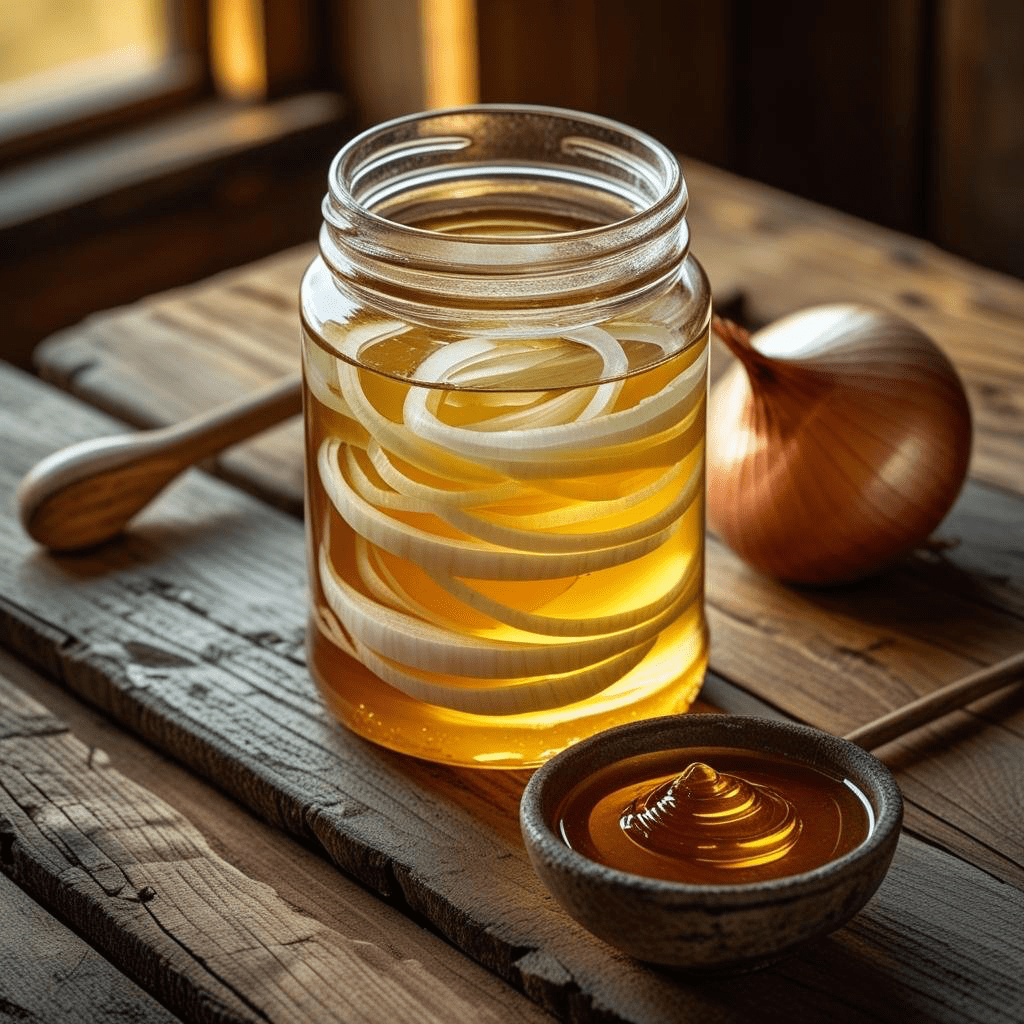
Ingredients:
- 1 onion (yellow or white), chopped
- ½ cup raw honey
Instructions:
- Place onions and honey in a jar or sealed glass container.
- Let infuse at room temperature for 12–24 hours (overnight works well).
- Strain onions for longer storage, or keep them in and use within 1 week.
- Store strained syrup in the refrigerator for up to 6 months.
Ideas for the infused onions:
- Add to soups, stews, or sautéed dishes
- Dehydrate and grind into seasoning powder
- Eat as a savory immune-boosting snack
⚠️ Honey Safety Notes:
- Do not give honey to infants under 1 year old (risk of botulism)
- Pasteurized honey may be safer for children or those with weakened immune systems
- Individual results vary—monitor your symptoms and seek medical care if needed
💜 Scripture for Encouragement
“Beloved, I pray that you may prosper in all things and be in health, just as your soul prospers.” — 3 John 2 NKJV

 Bee Well Intentionally, LLC
Leave a comment